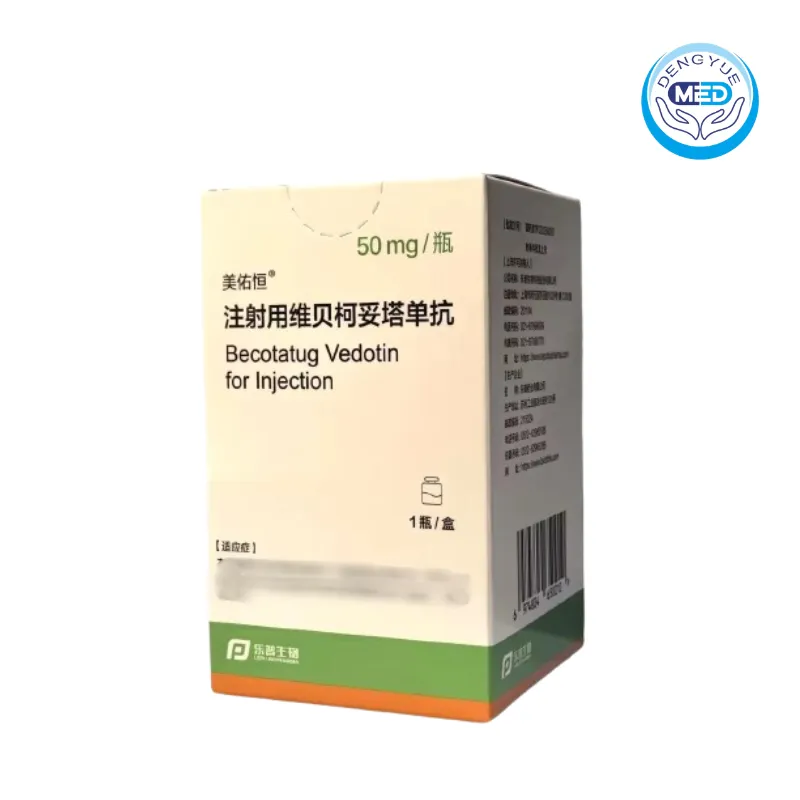
 Recommended Dose: The recommended dose is 2.3 mg/kg administered by intravenous infusion once every 3 weeks (Q3W) until disease progression, unacceptable toxicity, or treatment discontinuation.
 Time: Administer by intravenous infusion according to the approved prescribing information. Routine premedication is generally not required.
 Instructions for use: Becotatug vedotin should be administered under the supervision of healthcare professionals experienced in antineoplastic therapy. Patients should be monitored regularly for hematologic toxicity, peripheral neuropathy, and signs of infection throughout treatment. Dose interruption, reduction, or discontinuation may be required based on adverse reactions.
 Interaction: No formal drug interaction studies have been conducted. Becotatug vedotin primarily exerts its activity through intracellular release of MMAE after tumor cell internalization and has no known clinically significant interactions with chemotherapy, targeted therapy, or immune checkpoint inhibitors.
 Side effects: Common adverse reactions include neutropenia, leukopenia, anemia, lymphopenia, hyponatremia, hypokalemia, rash, fatigue, peripheral neuropathy, and intestinal obstruction. Most adverse events are manageable with appropriate supportive care and dose modification.