Breast cancer is one of the most common malignant tumors among women worldwide. According to the World Health Organization (WHO), approximately 2.4 million women were diagnosed with breast cancer globally in 2024, and around 694,000 died from the disease. As early screening, diagnosis, and treatment continue to improve, the approach to breast cancer treatment is also undergoing significant changes.
For today’s breast cancer patients, “breast cancer” no longer means a single, fixed treatment approach. Hormone receptor status, HER2 expression, genetic alterations, and previous treatment response can all influence treatment decisions.
As we enter 2026, one principle is becoming increasingly important in breast cancer treatment in the era of precision medicine: Not all breast cancers should be treated in the same way. Instead, treatment should increasingly be tailored to the biological characteristics of each patient’s tumor.
This is the direction in which breast cancer precision treatment is evolving.
What Is Breast Cancer?
👉 Breast cancer is a malignant tumor that develops in the breast tissue, most commonly originating from abnormal cells in the breast ducts or lobules. When these cells lose their normal mechanisms of growth and control, they may continue to multiply and invade surrounding tissues. In some patients, breast cancer can also spread to the lymph nodes or distant organs.
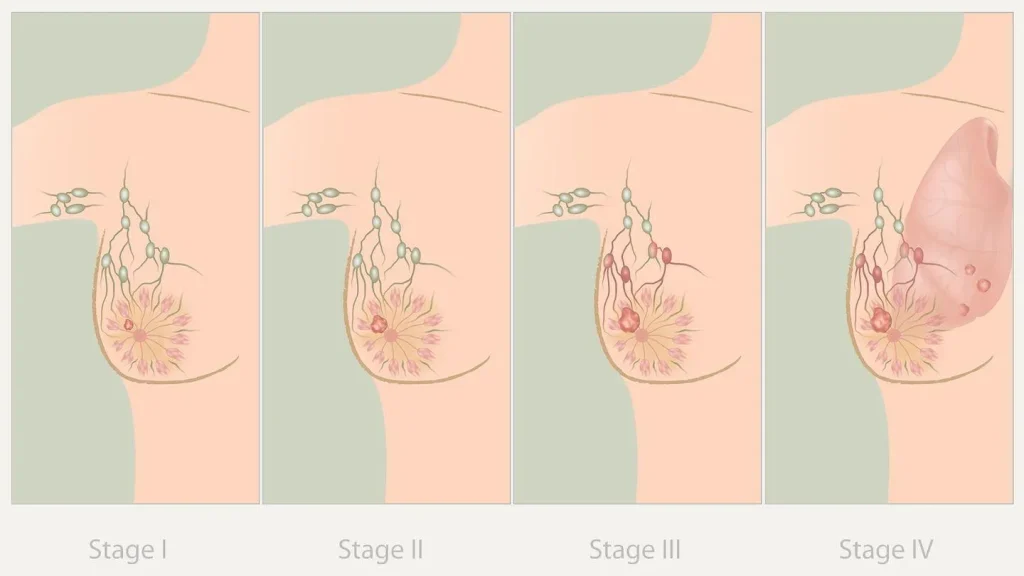
However, it is important to understand that breast cancer is not a single disease. Tumors can differ in their hormone receptor status, HER2 expression levels, and genetic or molecular characteristics. Based on factors such as estrogen receptor (ER), progesterone receptor (PR), and HER2 status, breast cancer can be further classified into different types.
Because these biological characteristics vary from patient to patient, treatment responses can also differ. Therefore, breast cancer treatment is generally determined by considering multiple factors, including disease stage, tumor type, hormone receptor and HER2 status, molecular characteristics, previous treatments, and the patient’s overall condition.
👉 This is one of the key reasons why modern breast cancer treatment is increasingly moving toward a more precise and individualized approach, particularly breast cancer treatment in the era of precision medicine.
Why Is Precision Treatment Becoming Increasingly Important in Breast Cancer?
In the past, breast cancer treatment relied more heavily on disease type and clinical stage. Common treatment approaches included surgery, chemotherapy, radiotherapy, and endocrine therapy. As our understanding of tumor biology has continued to advance, breast cancer is increasingly viewed not as a single disease but as a group of diseases with distinct molecular characteristics.

Today, treatment decisions increasingly involve more detailed tumor testing and patient stratification: Breast Cancer Diagnosis → Molecular Testing → Biomarker Identification → Patient Stratification → Treatment Selection → Response and Resistance Monitoring
This shift means that the focus of breast cancer treatment is moving beyond simply “treating breast cancer” toward “selecting a treatment strategy based on the specific biological characteristics of each patient’s tumor.”
For example, HER2 status can help determine whether a patient may benefit from HER2-directed therapies, while hormone receptor status can influence the selection of endocrine therapy. Molecular alterations such as ESR1, PIK3CA, and BRCA, as well as biomarkers such as PD-L1, may also play a role in treatment decisions for specific patient populations.
This is particularly relevant in hormone receptor-positive, HER2-negative breast cancer, where differences between patients are becoming increasingly apparent with growing attention to HER2-low expression, resistance-associated molecular alterations, and emerging targeted therapies. Research in 2026 continues to highlight the shift from traditional clinical classification toward more detailed molecular stratification and personalized treatment.
‼️ Therefore, precision treatment is not simply about using more new drugs. It is about developing a more comprehensive understanding of a tumor’s characteristics and identifying treatment strategies that are better matched to each patient’s disease.
This is one of the key changes in breast cancer treatment in 2026: moving from treating breast cancer as a single disease toward treating each patient according to the specific characteristics of their tumor.
How Is Breast Cancer Stratified for Precision Treatment?
The foundation of precision treatment for breast cancer is more accurate tumor classification and patient stratification. In clinical practice, physicians typically consider hormone receptor status, HER2 expression, and other genetic and molecular characteristics. These factors can provide a better understanding of the biological features of a tumor and help inform treatment decisions.
Traditionally, breast cancer has been classified based on markers such as estrogen receptor (ER), progesterone receptor (PR), and HER2. Different receptor statuses and molecular characteristics may be associated with different disease behaviors, treatment responses, and therapeutic options.
| Breast Cancer Type / Stratification | Main Characteristics | Common Treatment Approaches |
|---|---|---|
| Hormone Receptor-Positive / HER2-Negative | Estrogen receptor and/or progesterone receptor positive; HER2-negative | Endocrine therapy + targeted therapies, where appropriate |
| HER2-Positive | HER2 protein overexpression or gene amplification | HER2-directed therapy + chemotherapy / antibody-drug conjugates, where appropriate |
| Triple-Negative Breast Cancer | Estrogen receptor, progesterone receptor, and HER2 all negative | Chemotherapy + immunotherapy / targeted approaches, where appropriate |
| HER2-Low | Low levels of HER2 expression; generally classified within HER2-negative disease | Antibody-drug conjugate-based strategies for eligible patients |
It is important to note that HER2-low is not a completely parallel traditional breast cancer subtype alongside hormone receptor-positive/HER2-negative, HER2-positive, and triple-negative breast cancer. Rather, HER2-low is a treatment-relevant stratification based primarily on the level of HER2 protein expression.
Beyond hormone receptors and HER2, modern breast cancer precision treatment is increasingly focused on genetic alterations and other biomarkers. For example, some patients with hormone receptor-positive breast cancer may require assessment of molecular alterations such as PIK3CA and ESR1, while BRCA-related characteristics or immune biomarkers may provide additional information for treatment decisions in selected patients.
Therefore, precision treatment for breast cancer is not simply about dividing patients into a few fixed categories. Instead, it involves building a more comprehensive patient profile across multiple dimensions: Receptor Status → HER2 Expression → Molecular Alterations → Biomarkers → Disease Stage → Previous Treatment → Treatment Response
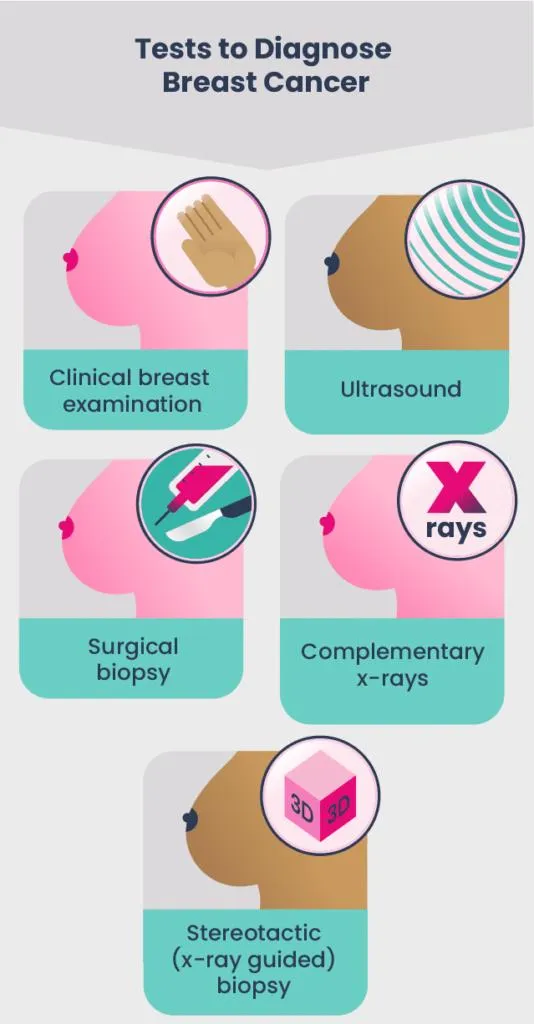
The ultimate goal is to help healthcare professionals better understand the characteristics of each patient’s tumor, identify treatments that may be more appropriate, and determine whether treatment strategies need to be adjusted as the disease evolves.
This is why breast cancer treatment is increasingly moving from a single disease classification toward a more comprehensive approach to individualized patient stratification.
This shift is also central to the development of breast cancer precision treatment in 2026. The major treatment trends are not emerging independently; rather, they are built on increasingly detailed patient stratification and molecular testing. The growing focus on HER2-low expression, antibody-drug conjugates, ESR1 mutations, circulating tumor DNA, and the PI3K/AKT/mTOR pathway are concrete examples of this evolution.
What Are the Key Trends in Breast Cancer Treatment in 2026?
As we enter 2026, breast cancer treatment in the era of precision medicine is moving beyond traditional disease classification toward increasingly detailed molecular stratification.
In the past, treatment decisions were largely guided by established biomarkers such as hormone receptor status and HER2. Today, HER2 expression levels, genetic alterations such as ESR1 and PIK3CA, immune-related biomarkers, and circulating tumor DNA are receiving increasing attention.
At the same time, emerging treatment approaches such as antibody-drug conjugates (ADCs) are changing treatment options for certain breast cancer patients. In 2026, precision treatment is no longer simply about identifying a single “target.” Instead, it is increasingly developing into a comprehensive process that includes molecular testing, patient stratification, treatment selection, and dynamic monitoring of treatment response and resistance.
1. HER2-Low: Moving Beyond the Traditional HER2 Classification
HER2-low breast cancer has become an important topic in precision breast cancer treatment in recent years.
Traditionally, HER2 classification has mainly focused on two categories: HER2-positive and HER2-negative. However, advances in diagnostic techniques and antibody-drug conjugates have brought greater attention to tumors with lower levels of HER2 expression.
👉 It is important to note that HER2-low is not a completely independent breast cancer subtype. Rather, it is a treatment-relevant stratification based on the level of HER2 protein expression. In clinical practice, HER2 expression is generally assessed using immunohistochemistry, with additional testing considered when appropriate.
The significance of this development is that patients previously grouped broadly within the HER2-negative category can now be evaluated in greater detail. HER2 expression is not simply a matter of being “present” or “absent”; different levels of expression may be associated with different therapeutic opportunities.
The development of ADCs has been particularly important in bringing HER2-low tumors into the discussion of precision treatment. Research in 2026 continues to explore how more accurate assessment and interpretation of HER2 expression may improve patient stratification and treatment selection.
Therefore, more precise HER2 testing and pathological assessment are becoming increasingly important components of breast cancer treatment in the era of precision medicine.
2. Antibody-Drug Conjugates: Precision Drug Delivery Is Becoming a Major Treatment Direction
Antibody-drug conjugates (ADCs) are one of the fastest-developing areas in breast cancer treatment. These medicines generally consist of three core components: Antibody → Linker → Payload
The antibody recognizes a specific target associated with tumor cells, the linker connects the antibody to the payload, and the payload delivers the therapeutic effect. By combining target recognition with targeted drug delivery, ADCs have become an important example of how precision medicine is changing the development of cancer therapies.
In breast cancer, ADC research has expanded beyond traditional HER2 targeting to include targets such as TROP-2 and HER3, with studies covering an increasingly broad range of breast cancer subtypes.
Research and clinical development in 2026 continue to focus on questions such as treatment efficacy, sequencing, resistance, and how different ADCs should be selected for individual patients.
The significance of ADCs therefore goes beyond simply adding another class of medicines. They represent a broader change in drug development: From traditional cytotoxic treatment toward more targeted delivery of therapeutic agents to tumor cells. As ADCs against different targets continue to develop, an important challenge for precision treatment will be determining how to select the most appropriate therapy according to target expression, previous treatment, disease characteristics, and potential resistance mechanisms.
3. ESR1 Mutations: Precision Treatment Is Paying Greater Attention to Endocrine Resistance
For patients with hormone receptor-positive, HER2-negative breast cancer, endocrine therapy is an important component of treatment.
However, some patients may gradually develop treatment resistance. Among the mechanisms receiving increasing attention, ESR1 mutations are particularly important. The process can be broadly understood as: Hormone receptor-positive / HER2-negative breast cancer → Endocrine therapy → Acquired resistance → ESR1 mutation → Persistent estrogen receptor signaling → Treatment reassessment
👉 ESR1 mutations can lead to continued activation of estrogen receptor signaling and may reduce the effectiveness of certain endocrine therapies.
As a result, ESR1 mutation testing and emerging treatment approaches such as selective estrogen receptor degraders are becoming important areas of precision breast cancer research. Research in 2026 continues to emphasize the importance of biomarker-driven treatment selection.
This means that precision treatment is no longer focused only on asking, “What treatment should be selected at the beginning?” It is also increasingly asking, “Has the tumor developed new molecular changes during treatment?”
This reflects an important evolution in breast cancer treatment: moving from initial tumor classification toward the identification of molecular mechanisms of treatment resistance.
4. Circulating Tumor DNA: From Static Profiling to Dynamic Monitoring
If traditional precision treatment mainly seeks to answer, “What molecular characteristics does the patient’s tumor have?” Then circulating tumor DNA and other liquid biopsy technologies are increasingly being explored to answer another question, “What is happening to the tumor during treatment?”
Circulating tumor DNA, or ctDNA, refers to tumor-associated DNA fragments that can be detected in the bloodstream. Through liquid biopsy, certain molecular alterations can be monitored using blood samples, providing information that may help researchers and clinicians investigate disease progression, treatment response, and potential resistance.
The basic concept can be summarized as: Blood Sample → ctDNA Testing → Molecular Changes → Potential Resistance → Treatment Reassessment
ctDNA is particularly relevant to the study of resistance-associated molecular alterations such as ESR1 mutations. Research and reviews in 2026 continue to highlight the potential advantages of liquid biopsy, including its relatively minimally invasive nature, repeatability, and potential for dynamic monitoring. At the same time, challenges remain, including detection sensitivity, cost, standardization, and clinical validation.
This means that breast cancer treatment in the era of precision medicine is gradually moving from static tumor profiling toward dynamic treatment monitoring. A potential future treatment model could involve: Testing → Treatment → Monitoring → Detection of Changes → Reassessment → Treatment Adjustment
However, ctDNA testing cannot currently be considered a simple replacement for tissue pathology or imaging. Its clinical use needs to be interpreted in the context of the patient’s disease stage, test results, and professional medical judgment.
5. PI3K/AKT/mTOR: From Genetic Alterations to Pathway-Directed Treatment
Another important direction in precision breast cancer treatment is targeting abnormal cellular signaling pathways. One pathway that continues to receive significant attention is the PI3K/AKT/mTOR signaling pathway: PIK3CA Alteration → PI3K Signaling → AKT Signaling → mTOR Signaling
This signaling network plays an important role in cell growth, survival, and proliferation. In some patients with hormone receptor-positive, HER2-negative breast cancer, molecular alterations such as PIK3CA may be relevant to disease progression and treatment selection.
In July 2026, the U.S. Food and Drug Administration approved the PI3K-targeting agent gedatolisib for certain patients with advanced or metastatic hormone receptor-positive, HER2-negative breast cancer. The approval applies to a specific patient population whose disease has progressed following prior endocrine therapy and a CDK4/6 inhibitor, further highlighting the continued importance of PI3K-related signaling in breast cancer treatment.
This development illustrates how precision medicine is moving beyond simply identifying an individual “target” toward understanding and treating abnormal biological pathways.
In other words, future precision treatment will need to go beyond simply identifying which gene has changed. It will also need to determine:
- Which signaling pathway is affected by the alteration?
- Does it contribute to tumor growth?
- Is it associated with treatment resistance?
- Is there a therapeutic opportunity that can be targeted?
6. Triple-Negative Breast Cancer: From “Limited Targets” to More Precision Treatment Options
Triple-negative breast cancer (TNBC) is defined as breast cancer that is negative for estrogen receptor (ER), progesterone receptor (PR), and HER2. Because it lacks three traditional therapeutic targets, triple-negative breast cancer has historically been considered a more challenging breast cancer subtype for precision treatment. However, with advances in tumor molecular research and innovative medicines, this situation is gradually changing.
Currently, precision treatment research in triple-negative breast cancer involves multiple areas, including PD-L1, BRCA genes, TROP-2, antibody-drug conjugates, and DNA damage repair mechanisms.
For example:
- Some patients may be considered for immunotherapy based on relevant immune biomarkers;
- Patients with specific BRCA-related characteristics may be considered for therapies targeting DNA damage repair mechanisms;
- TROP-2-directed antibody-drug conjugates are also providing new treatment options for some patients with triple-negative breast cancer.
Therefore, triple-negative breast cancer is gradually moving from “limited traditional therapeutic targets” toward “multiple emerging precision treatment approaches.”
This also reflects an important change in breast cancer treatment in the era of precision medicine.
🎯 Precision treatment does not mean that every patient must have a single identifiable genetic mutation. Instead, it involves more detailed patient stratification across multiple dimensions, including tumor subtype, biomarkers, molecular alterations, disease stage, and previous treatment history. The ultimate goal is to identify a treatment strategy that is more closely matched to the characteristics of each patient’s tumor.
✨ From HER2-low expression and antibody-drug conjugates to ESR1 mutations, circulating tumor DNA, and the PI3K/AKT/mTOR signaling pathway, breast cancer treatment in the era of precision medicine is showing an increasingly clear direction in 2026: treatment decisions are moving beyond traditional breast cancer classification and placing greater emphasis on tumor molecular characteristics, treatment response, and changes that occur throughout the course of the disease.
How Does DengYue Pharmacy View the Development of Precision Treatment for Breast Cancer?
From the perspective of pharmaceutical supply and innovative drug development, we believe that breast cancer treatment in 2026 is showing three clear trends.
First, treatment decisions are increasingly guided by biomarkers and molecular characteristics.
ER, PR, and HER2 remain important foundations for breast cancer treatment stratification, while additional molecular information, including HER2-low expression, ESR1, PIK3CA, and BRCA, is helping clinicians further identify differences between patient populations and providing additional information for treatment selection.
Second, breast cancer drug treatment is developing into a more diverse precision treatment system.
Different treatment approaches, including CDK4/6 inhibitors, HER2-targeted therapies, immunotherapy, PARP inhibitors, and antibody-drug conjugates, are being used according to different tumor biological characteristics. Treatment is no longer limited to a single drug or treatment modality but increasingly emphasizes patient stratification and the appropriate use of different therapeutic approaches.
Third, precision treatment is placing greater emphasis on dynamic assessment throughout the treatment process.
In the past, greater attention was often placed on which treatment should be selected after diagnosis. Today, treatment response, resistance mechanisms, and molecular changes that emerge during the course of disease are receiving increasing attention. Research into resistance-associated genes such as ESR1, as well as circulating tumor DNA, is helping drive breast cancer precision treatment from a one-time classification decision toward continuous disease monitoring and treatment assessment.
For DengYue Pharmacy, our focus is not limited to the launch of individual medicines. We are also interested in how innovative therapies are changing the way diseases are managed. As precision treatment for breast cancer continues to evolve, pharmaceutical development and supply are also becoming increasingly focused on more specific disease subtypes, therapeutic targets, and patient needs.
From the perspective of pharmaceutical development and supply, this evolution means that demand for breast cancer medicines is becoming increasingly specialized and segmented. Innovative medicines, specialty drugs, and therapies designed for specific biomarkers will continue to be important areas of development within the oncology pharmaceutical field.
Conclusion
Precision treatment for breast cancer is not simply about replacing traditional therapies with “more advanced” medicines. Instead, it involves using multiple sources of information—including pathological testing, biomarkers, genetic information, and treatment response—to develop a more comprehensive understanding of each patient’s disease.
The key changes in 2026 can be summarized as: Breast Cancer → Molecular Subtype → Biomarkers → Targeted Treatment → Dynamic Monitoring → Individualized Treatment
Emerging areas such as HER2-low expression, antibody-drug conjugates, ESR1 mutations, the PI3K/AKT/mTOR signaling pathway, and circulating tumor DNA are collectively helping drive breast cancer precision treatment toward a more refined and individualized approach.
❤️ For patients, this continued progress in medical research and innovative medicines may provide more diverse treatment options that are increasingly aligned with the specific characteristics of their disease. For the pharmaceutical research, development, and supply industry, it also signals a growing shift toward more specialized and segmented treatment solutions for breast cancer.
DengYue Online Pharmacy will continue to follow advances in innovative treatments for breast cancer and other major diseases and provide innovative medicines, specialty drugs, and related pharmaceutical supply services to healthcare institutions, pharmaceutical distributors, and qualified purchasers in accordance with applicable local regulations.
FAQ About Breast Cancer Treatment in the Era of Precision Medicine
What is precision medicine for breast cancer?
Precision medicine in breast cancer is a revolutionary approach that customizes diagnosis and treatment based on individual and tumor characteristics, departing from the traditional one-size-fits-all approach.
How is precision medicine used to treat cancer?
In precision cancer medicine, doctors use information from biopsies and other tests to put together a plan of care that will likely be the most effective for a person’s situation.
What is the era of precision medicine?
Precision medicine is the new standard of quality healthcare delivery. It aims to optimize patient safety and clinical outcomes, enhance the efficacy of therapeutic interventions, and facilitate disease prevention, offering a way to customize patient care, decision-making, and clinical practice.
What are some examples of precision oncology treatments?
Precision Oncology Treatments: Types and Technologies
1. Targeted Cancer Therapies.
2. Immunotherapy.
3. Antibody-Drug Conjugates (ADCs)
4. Radionuclide Therapies.
5. Cell and Gene Therapies (CGTs)
6. RNA-based therapies.
7. Bispecific antibodies.
8. Tumor microenvironment (TME) modulation.
How effective is precision medicine?
While the initial costs of implementing precision medicine may be higher, the long-term benefits – including improved patient outcomes, cost-effectiveness and optimized resource utilization – underscore its potential to transform global healthcare systems.