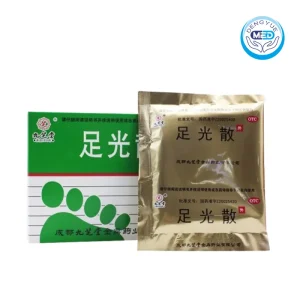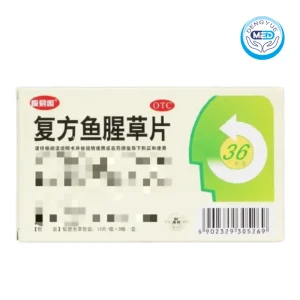
Traveling is a great opportunity to explore new places and relax, but you may encounter common health issues along the way, such as headaches, fever, allergies, digestive discomfort, motion sickness, or minor cuts and scrapes. Preparing a suitable travel medicine checklist in advance can help you manage these common health concerns and enjoy a more comfortable, worry-free trip.
So, what medicines to bring on a trip? Common travel essentials include personal prescription medications, pain relievers and fever reducers, antihistamines, digestive medications, motion sickness medications, and basic medical supplies such as adhesive bandages and antiseptics. However, not everyone needs to carry every type of medication. A practical approach is to choose your travel essentials based on your destination, trip duration, personal health needs, and available luggage space.

📃 This article explores the common categories of travel medicines and medical supplies, practical packing tips when luggage space is limited, recommendations for different travel scenarios, and important considerations for carrying and storing medications before departure. You can also use DengYueRX to check the availability of the medicines and medical supplies you need and organize your travel-related purchasing requirements in one place.
I. Why Should You Prepare Essential Medicines Before Traveling?
During a trip, your daily routine, diet, climate, and planned activities may change. Long flights or car journeys, trying unfamiliar foods, and exposure to new environments can all increase the likelihood of experiencing health discomfort.
Although common medications are available in many destinations, language barriers, pharmacy opening hours, differences in medication names, and local purchasing regulations may make it more difficult to obtain the medicines you need at short notice. Preparing an appropriate supply of essential medications in advance can help you avoid unnecessary inconvenience.
The purpose of travel medication preparation is not to self-diagnose or treat every possible illness. Instead, it is to ensure you have your essential personal medications and basic medical supplies available when needed so you can manage minor health issues according to the product instructions or advice from a qualified healthcare professional. If you experience severe symptoms, seek medical attention promptly rather than relying on your travel first aid kit. ‼️
II. What Medicines Should You Pack for a Trip? A Checklist of Six Common Categories
Travel medicines can be organized according to common health needs, including pain relievers and fever reducers, antihistamines, digestive medications, motion sickness medications, personal long-term medications, and other medicines selected based on your destination and individual needs.
It is important to note that the following categories are provided for general reference. They do not mean that every traveler needs to purchase or use all these products. Your choices should take into account your age, health status, medical history, other medications you are taking, and the product instructions.
1. Pain Relievers and Fever Reducers
Pain relievers and fever reducers are among the first categories many people consider when preparing a travel first aid kit. They are primarily used to manage certain types of pain or fever when appropriate.
Common active ingredients include:
- Paracetamol (Acetaminophen): Can help relieve mild to moderate pain and reduce fever.
- Ibuprofen: A nonsteroidal anti-inflammatory drug (NSAID) that can help relieve pain, inflammation-related symptoms, and fever.
Different medications have different indications, contraindications, and risks. For example, ibuprofen may not be suitable for some people with gastrointestinal ulcers, kidney problems, or certain pregnancy-related circumstances. An overdose of paracetamol can cause serious liver damage.
Before taking any medication, check the active ingredients to avoid taking multiple products containing the same ingredient, such as combining a single-ingredient medicine with a combination cold remedy.
⚠️ If you experience a persistent high fever, severe headache, difficulty breathing, altered consciousness, or other warning signs, seek medical attention promptly rather than relying on fever-reducing medication alone to mask the symptoms.
2. Antihistamines
Exposure to pollen, dust mites, animal dander, and insect bites at your destination may trigger symptoms such as sneezing, a runny nose, nasal itching, or itchy skin. Travelers with a history of allergies may benefit from identifying suitable antihistamines in advance.
Common oral antihistamines include:
- Loratadine
- Cetirizine
- Fexofenadine
These medications can relieve certain allergy symptoms, but their effectiveness, indications, and potential adverse effects vary. Some antihistamines may cause drowsiness or slower reaction times. Travelers who need to drive or engage in activities requiring alertness should pay particular attention to these effects.
If you have a history of severe allergic reactions, consult a healthcare professional before departure to develop an emergency plan tailored to your needs. ⚠️ If severe symptoms such as difficulty breathing, throat swelling, or fainting occur, seek emergency medical assistance immediately. Ordinary oral antihistamines should not be relied upon as the sole treatment for a severe allergic reaction.
3. Common Digestive Medications
Changes in diet, meal schedules, and drinking water conditions during travel may contribute to stomach discomfort, heartburn, diarrhea, or constipation. Depending on your individual needs, you may consider appropriate symptom-relief products for your travel first aid kit.
Common categories include:
- Oral rehydration salts (ORS): Help replace fluids and electrolytes lost during conditions such as diarrhea. Prepare the solution using the exact amount of water specified in the product instructions.
- Medications for acid-related discomfort: May help relieve certain symptoms of acid reflux or heartburn. The appropriate choice depends on your individual circumstances.
- Medications for diarrhea: Must be selected carefully according to symptoms, age, contraindications, and product instructions. Antidiarrheal medicines are not appropriate in every situation.
- Medications for constipation: Travelers who are prone to constipation may consult a doctor or pharmacist about suitable options.
During your trip, pay attention to drinking water safety, food hygiene, and regular meals. Seek medical attention if you experience bloody stools, a high fever, severe abdominal pain, persistent vomiting, or signs of significant dehydration.
Antibiotics should not be routinely used as self-selected standby medication for travel or taken casually to treat diarrhea without professional assessment.
4. Motion Sickness Medications
When traveling by car, plane, or boat, some people may experience motion sickness symptoms, including nausea, dizziness, cold sweats, or vomiting. If you are prone to motion sickness, consult a doctor or pharmacist before departure to identify suitable medication options.
Different motion sickness medications may have different dosing schedules and precautions. Some need to be taken before the journey begins. Always follow the product instructions or professional advice.
Certain medications may cause drowsiness, dry mouth, or slower reaction times. Follow any driving restrictions after taking them, and avoid combining them casually with alcohol or other medications that may increase sedation.
In addition to medication, choosing a well-ventilated seat, limiting reading and screen time, and keeping your gaze steady may help reduce motion sickness symptoms for some travelers.
5. Personal Long-Term Medications and Prescription Medicines
For travelers who require ongoing treatment, personal prescription medications are often the most important items in a travel medicine kit. Continuing to take prescribed medicines correctly throughout the trip can help reduce health risks associated with missed doses or insufficient supplies.
Before departure, check the following:
- Whether you have enough medication for the entire trip, plus a reasonable backup supply.
- Whether you understand how to adjust your medication schedule when crossing time zones.
- Whether you have retained the original packaging, prescription, or any necessary medical documentation.
- Whether your medicines require protection from light, refrigeration, or other special storage conditions.
- Whether you have checked the medication import and carrying regulations of your destination and any transit countries or regions.
Common long-term medications include antihypertensive medicines, diabetes medications, asthma inhalers, and other prescription drugs. Storage conditions and usage requirements can vary significantly. For medicines that require refrigeration, in particular, plan how to maintain the appropriate temperature throughout the journey.
Prescription medicines should be obtained and used through lawful, compliant channels. For medicines subject to strict restrictions at your destination, verify the applicable requirements in advance through the relevant authorities, official government resources, or embassies and consulates.
6. Other Medications Based on Your Destination and Individual Needs
In addition to the categories above, some travelers may need other medications, such as emergency allergy medication recommended by a doctor, suitable topical skin treatments, or preventive medicines for specific travel destinations.
These products should not automatically be considered essential for everyone. Whether they are necessary depends on disease risks at the destination, trip duration, personal health status, and professional medical advice.
For example, if you are traveling to an area with specific infectious disease risks, review the travel health recommendations issued by the local health authorities. If necessary, consult a travel medicine clinic. Decisions about vaccinations, malaria prevention, and other destination-specific preventive measures should be based on relevant travel health guidelines and professional medical assessment.
✨ Pain relievers and fever reducers, antihistamines, digestive medications, and motion sickness medications are common categories travelers may consider according to their needs. Personal long-term medications should take priority. Other medicines should be selected based on destination-specific risks and professional advice rather than purchased indiscriminately just in case.
III. Essential Medical Supplies for Travel: What Should You Pack Besides Medicines?
Travel health preparation involves more than just medications. It also includes supplies for basic wound care, health monitoring, and everyday protection. Choosing compact, practical medical supplies with clearly defined purposes can help travelers manage minor incidents in a more organized way. The specific items you pack should depend on your planned activities, trip duration, destination environment, and personal needs.
| Category | Common Supplies | Main Uses |
|---|---|---|
| Basic wound care | Adhesive bandages, sterile gauze swabs, medical tape | Managing minor scrapes and covering small wounds |
| Hygiene and cleaning | Suitable antiseptic products, hand sanitizer | Supporting everyday hygiene and basic wound care, as appropriate |
| Health monitoring | Thermometer; personal monitoring devices if needed | Checking body temperature and managing individual health needs |
| Physical cooling | Cold packs and suitable physical cooling products | Providing cold compresses or cooling as directed by the product instructions |
| Outdoor protection | Sunscreen, insect repellent | Protection based on sun exposure, insect activity, and outdoor activities |
| Everyday protection | Face masks, tissues, portable hand hygiene products | Supporting personal hygiene and respiratory protection needs |

You can adjust this list to suit your travel environment. For example, outdoor hikers may want to prioritize wound care supplies, sunscreen, and insect repellent, while long-haul travelers should prioritize their personal long-term medications and any essential items they may need during the journey.
IV. What Medicines Should You Prioritize When Luggage Space Is Limited?
🧳 When traveling on a short trip, backpacking, or carrying only hand luggage, space is often limited, making it impractical to bring a complete family medicine cabinet. In these situations, the goal is not to pack every possible medication but to select the medicines and medical supplies you genuinely need based on your health status, destination, trip duration, and the availability of pharmacies at your destination.
1. First Priority: Essential Personal Medications
If you are receiving long-term treatment, prioritize bringing enough prescription medication for the entire trip. Consider preparing a reasonable additional supply in case of travel delays, following advice from a healthcare professional.
These medications often cannot be replaced casually, so do not leave out essential medicines simply to reduce luggage weight. Whenever possible, keep them in their original packaging with clear labels and carry any necessary supporting documentation. Check the medication import regulations of your destination before departure.
2. Second Priority: A Small Supply of Common Medicines
In addition to your essential personal medications, you can select a small number of common medicines according to your health needs and travel plans.
- If you are prone to headaches or fever: Consider bringing one suitable pain reliever and fever reducer.
- If you have a known history of allergies: Consider bringing an antihistamine that you normally use and that is appropriate for you.
- If you are prone to digestive discomfort: Depending on your needs, consider oral rehydration salts or other products selected with professional advice.
- If you are prone to motion sickness: Prepare a suitable motion sickness medication in advance and check precautions such as possible drowsiness.
You do not need to carry every category just to complete a checklist. Medicines that are irrelevant to your needs can be left out. However, if a doctor has specifically instructed you to carry emergency medication, prioritize that professional advice.
3. Third Priority: Lightweight Basic Medical Supplies
If space allows, consider packing a few adhesive bandages, individually packaged basic cleaning products, and any personal monitoring devices you need. Whether to bring sunscreen and insect repellent depends on your destination’s climate, your outdoor activities, and the local insect-related risks.
Prioritize products with compact packaging, clear labels, and specific purposes. However, never mix different medicines in unlabeled containers or remove essential instructions and identification information just to save space.
4. Review Your Travel Medicine Checklist Before Departure
When organizing your luggage, review each item and ask yourself:
- Is this medication essential for my personal health needs?
- Does it contain the same active ingredient as another medicine I am already carrying?
- Is it genuinely necessary for my health needs and travel plans?
- Does it require refrigeration, protection from light, or other special storage conditions?
- Can it legally be carried into my destination, or can it be purchased through an authorized channel there?
- Could leaving it behind affect my treatment or safety?
In short, when luggage space is limited, prioritize essential personal medications first, add common medicines relevant to your needs, and then include basic medical supplies. If you are traveling to a remote area, visiting a destination where access to pharmacies is limited, or require specialized medications, plan ahead rather than focusing solely on reducing luggage weight.
Recommended Medicines and Supplies for Different Travel Scenarios
| Travel Scenario | Medicines and Supplies to Prioritize | Key Preparation Tips |
|---|---|---|
| Short city trips | Essential personal medications, selected common medicines as needed, a few adhesive bandages | Consider the length of your trip and avoid packing excessive backup supplies |
| International travel or long-haul flights | Sufficient personal medications, essential health supplies, relevant documentation | Check entry regulations, medication schedules across time zones, and storage requirements in advance |
| Outdoor, hiking, or beach trips | Wound care supplies, sunscreen, insect repellent, essential personal medications | Prepare according to activity level, weather conditions, and destination-specific risks |
| Traveling with children | Age-appropriate medicines, a thermometer, basic wound care supplies | Check age restrictions, weight-based dosing where applicable, and product instructions |
| Traveling with chronic conditions | Sufficient long-term prescription medications, necessary monitoring devices, relevant documentation | Avoid stopping medication without medical advice and plan for special storage and prescription refills |
V. How to Find the Medicines You Need for Your Trip Through DengYueRX
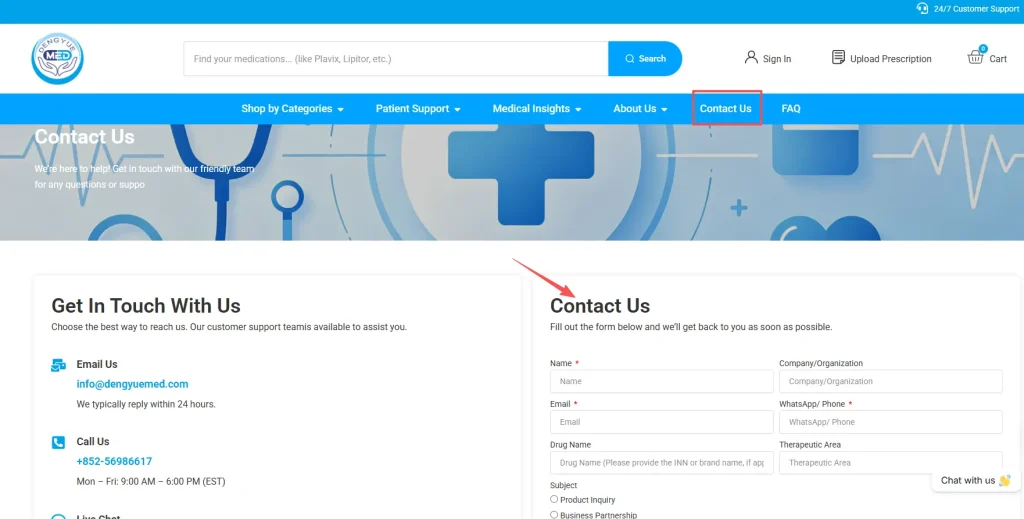
After preparing your travel medicine checklist, you can visit dengyuerx.com to check the medicines and medical supplies you need. You can also contact DengYue Pharmacy directly and submit a complete list of your requirements to coordinate purchasing needs for multiple products in one place.
How to Submit a Pharmaceutical Procurement Request
- Prepare your list: Include the generic or brand name, strength or specifications, dosage form, packaging, and quantity of each required medicine. Travel medical supplies, such as adhesive bandages and thermometers, can also be included.
- Submit your requirements: Search for products through the DengYue Pharmacy website, or contact us directly and send us your list of required medicines and medical supplies.
- Provide prescriptions when required: If your list includes prescription medicines, upload a valid prescription or provide the relevant documentation as required for the necessary review.
- Confirm supply and purchasing arrangements: We will review the product details and availability based on your list and assist in coordinating the relevant purchasing requirements. The specific products, quantities, prices, transportation conditions, and delivery arrangements are subject to actual confirmation.
⚠️ A friendly reminder: Product availability and delivery arrangements are subject to confirmation. Prescription medicines must meet applicable prescription and review requirements. Cross-border procurement, transportation, importation, and delivery must also comply with relevant laws and regulations, including those of the destination. Medicine selection and use should be based on individual needs, and you should consult a doctor or pharmacist when necessary.
Conclusion
What medicines to bring on a trip depends on your health status, destination, trip duration, and access to local pharmacies. A well-prepared travel medicine kit does not need to include every possible medication. Instead, prioritize essential personal medications, then select pain relievers and fever reducers, antihistamines, digestive medicines, motion sickness medications, and basic medical supplies according to your individual needs.
If you are preparing a travel medicine checklist, you can also visit DengYue Online Pharmacy to check the medicines and medical supplies you need, organize your purchasing requirements in one place, and confirm product availability, delivery arrangements, and applicable compliance requirements in advance.
Being well prepared can help you manage common health needs more confidently throughout your journey.

FAQ About What Medicines to Bring on a Trip
What medicines should I bring on a trip?
Pack essential prescription medicines, pain relievers, antihistamines, digestive medicines, and motion sickness medication as needed.
What should be in a travel first aid kit?
Include adhesive bandages, sterile gauze, antiseptic products, a thermometer, and other basic medical supplies.
Can I bring prescription medicines on an international flight?
Yes, in many cases, but restrictions vary by destination. Keep medicines in their original packaging and check local regulations before departure.
How do I pack medicines for travel?
Keep medicines clearly labeled, follow storage instructions, and bring enough for your trip plus an appropriate backup supply.
What medicines should I pack for a long trip?
Prioritize long-term prescription medicines, then add common medications based on your health needs, destination, and planned activities.