Seasonal allergies are a common health issue, usually associated with pollen and other environmental allergens that appear during specific seasons. Symptoms such as sneezing, a runny nose, nasal congestion, and itchy eyes may seem minor, but they can continuously affect daily activities, sleep quality, and work productivity. For people who are prone to allergic reactions, understanding what causes seasonal allergies in the body, learning about common treatment options, and adopting effective daily prevention measures can help them better manage related symptoms.

Managing seasonal allergies typically involves a combination of environmental protection, symptom monitoring, and appropriate medication use. Different medications have different effects and indications, making it important to understand their active ingredients, instructions for use, and precautions. DengYueRX focuses on pharmaceutical information and supply services. Through practical health education, we aim to help consumers better understand seasonal allergies and, when needed, learn about the availability of relevant medications and the requirements for their supply and purchase.
Ⅰ. What Are Seasonal Allergies?
Seasonal allergies occur when the body’s immune system overreacts to certain environmental substances that are more common during specific seasons. Tree pollen, grass pollen, and weed pollen are common triggers. In some cases, mold spores may also trigger or worsen allergy symptoms.
When people who are prone to allergies come into contact with these allergens, their immune systems may release chemicals such as histamine, causing allergic reactions in the nose, eyes, or other parts of the body. If symptoms primarily affect the nose, the condition is generally known as allergic rhinitis. When these symptoms are closely associated with seasonal pollen exposure, the condition is often referred to as seasonal allergic rhinitis or hay fever.
Understanding what causes seasonal allergies in the body can help people recognize potential triggers, identify common symptoms, and take appropriate steps to manage their condition.

What Are the Common Symptoms of Seasonal Allergies?
The symptoms of seasonal allergies vary from person to person. Some people mainly experience nasal symptoms, while others may also have discomfort affecting the eyes and throat. Common symptoms include the following:
| Symptom Category | Common Symptoms | Possible Impact |
|---|---|---|
| Nasal symptoms | Repeated sneezing, a runny nose with clear discharge, an itchy nose, and nasal congestion | May affect breathing comfort and daily activities |
| Eye symptoms | Itchy, watery, or red eyes | May interfere with reading, work, and outdoor activities |
| Throat symptoms | An itchy throat and an irritating cough | May cause persistent discomfort and interfere with rest |
| Sleep and energy | Nasal congestion at night, poor sleep, and daytime fatigue | May affect concentration and quality of life |
| Respiratory symptoms | Wheezing or worsening asthma symptoms in some people | May require professional medical evaluation |
Seasonal allergies do not usually cause fever, although some symptoms may resemble those of the common cold or other respiratory illnesses. If symptoms are accompanied by fever, significant pain, or noticeable worsening, other possible causes should be considered, and a healthcare professional should be consulted.
How Are Seasonal Allergies Different from the Common Cold?
Nasal congestion, a runny nose, and sneezing can occur with both seasonal allergies and respiratory infections such as the common cold. Understanding their typical characteristics can help people determine whether further medical advice may be needed.
| Comparison | Seasonal Allergies | Common Cold |
|---|---|---|
| Common trigger | Allergens such as pollen | Viral infection |
| Nasal discharge | Often clear and watery | May be clear initially and become thicker over time |
| Nasal and eye itching | Common | Less common |
| Sneezing | May occur frequently | May also occur |
| Fever | Usually absent | May occur in some people |
| Duration of symptoms | May recur during periods of allergen exposure | Usually improves gradually, although the course varies |
⚠️ These characteristics are provided for general reference and cannot be used alone to establish a diagnosis. If symptoms repeatedly occur during the same seasons or become noticeably worse after pollen exposure, consulting a healthcare professional may help determine whether allergies are involved.
Overall, seasonal allergies involve more than occasional sneezing or a runny nose. Understanding the symptoms and their potential triggers can help people choose appropriate preventive measures and make informed decisions about allergy medications.
Ⅱ. What Are the Common Triggers of Seasonal Allergies?
Seasonal allergies are primarily associated with airborne allergens. However, the distribution of plants, climate, and environmental conditions vary across regions, affecting the types and concentrations of allergens present. Therefore, there is no single seasonal allergy calendar that applies to every location.
- Tree Pollen
- In some regions, tree pollen is more prevalent during spring. Pollen released by plants such as birch, oak, and cypress trees may trigger allergic reactions in susceptible individuals.
- When pollen enters the nose or comes into contact with the eyes, it may activate the immune system and cause symptoms such as sneezing, an itchy nose, a runny nose, and itchy eyes. For people with tree pollen allergies, checking local pollen forecasts and adjusting outdoor activities when necessary can help reduce exposure.
- Grass Pollen
- Certain grasses release larger amounts of pollen from late spring through summer, making grass pollen a common trigger of seasonal allergies in many regions.
- Mowing the lawn, gardening, or spending time near grassy areas may increase pollen exposure for some people. If similar symptoms repeatedly occur after contact with grass or outdoor activities, keeping a record of when symptoms occur and the surrounding environmental conditions may help identify potential triggers. A healthcare professional can provide further advice when needed.
- Weed Pollen
- In late summer and autumn, certain weeds may become important sources of allergens. For example, ragweed and pollen from plants in the Artemisia genus are associated with autumn allergy symptoms in some regions.
- However, the timing of peak pollen exposure depends on the climate, plant species, and geographic location. For people who experience recurring nasal itching, sneezing, and other allergy symptoms every autumn, learning about local weed species and pollen levels can help them take more targeted preventive measures.
- Mold Spores
- Mold can grow in damp environments and release airborne spores. Fallen leaves, decaying plant material, damp walls, and poorly ventilated areas may provide favorable conditions for mold growth.
- Exposure to mold spores may trigger allergic symptoms in some individuals. Keeping indoor spaces dry, addressing damp areas promptly, and cleaning visible mold appropriately can help reduce exposure to certain environmental allergens.
What Environmental Factors Affect Allergen Exposure?
In addition to the allergens themselves, weather conditions and everyday surroundings can influence how frequently people come into contact with allergens.
| Environmental Factor | Potential Impact | Practical Response |
|---|---|---|
| Dry and windy weather | Some types of pollen can spread more easily through the air | Check pollen forecasts and limit outdoor activities when necessary |
| Rainfall | May temporarily reduce some airborne pollen levels, although the effects vary | Plan activities according to local pollen information and weather conditions |
| Damp environments | May encourage mold growth | Reduce indoor moisture and address leaks and mold promptly |
| Outdoor gardening | May increase exposure to pollen and plant debris | Take appropriate precautions based on individual sensitivity |
| Pollen on clothing and hair | May carry outdoor allergens into indoor spaces | Change clothes after returning home and wash hair when appropriate |
👉 Seasonal allergies may be triggered by more than one allergen, and some people may also be affected by indoor allergens. Therefore, recognizing personal symptom patterns, observing environmental changes, and reducing exposure to known allergens can be more helpful than relying on the season alone to identify the cause of symptoms.
Ⅲ. What Medications Are Commonly Used for Seasonal Allergies?
Medication management for seasonal allergies primarily focuses on relieving symptoms, reducing inflammatory responses, and improving quality of life. Because different medications have different mechanisms of action and are intended for different symptoms, medication selection should take into account the patient’s age, symptom type, severity, medical history, and other medications they are currently using.
The following table introduces common medication categories and supportive care products used in seasonal allergy management. Their specific indications, dosages, and prescription requirements should be determined according to locally approved information and the relevant product instructions.
Common Medications for Seasonal Allergies
| Medication Category | Common Active Ingredients | Main Uses | Precautions |
|---|---|---|---|
| Oral second-generation antihistamines | Loratadine, cetirizine, fexofenadine | Relieve sneezing, nasal itching, and a runny nose | Some medications may cause drowsiness; check for duplicate active ingredients |
| Intranasal corticosteroids | Fluticasone, mometasone, budesonide | Relieve nasal congestion, itching, sneezing, and a runny nose | Usually require regular use; proper spray technique is important |
| Intranasal antihistamines | Azelastine | Relieve nasal itching, sneezing, and a runny nose | May cause local irritation, a bitter taste, or drowsiness in some people |
| Antiallergic eye drops | Olopatadine, ketotifen, and others | Relieve certain allergy-related symptoms, such as itchy or watery eyes | Follow product instructions and pay attention to unusual eye symptoms |
| Saline nasal care products | Saline nasal sprays and nasal irrigation solutions | Help remove some allergens and mucus from the nasal passages | Use a safe water source for nasal irrigation and keep equipment clean |
| Nasal decongestants | Products containing ingredients such as oxymetazoline | Provide short-term relief from nasal congestion | Do not exceed the recommended duration of use; certain people should use them cautiously |
These products have different functions and should not be combined indiscriminately. For example, some oral antihistamines may cause drowsiness, while prolonged use of certain nasal decongestants may lead to rebound congestion or worsening nasal symptoms. Check the active ingredients before use. If multiple products are needed, consult a doctor or pharmacist about their appropriate use.
1. Oral Antihistamines: Relieving Common Allergy Symptoms
Oral antihistamines are among the most commonly used medications for seasonal allergy management. They work by blocking the effects of histamine, helping relieve symptoms such as sneezing, a runny nose, nasal itching, and certain eye allergy symptoms.
Common active ingredients include:
- Loratadine: Commonly used to relieve symptoms of allergic rhinitis.
- Cetirizine: Helps relieve sneezing, a runny nose, and nasal itching, although drowsiness may occur in some people.
- Fexofenadine: A second-generation antihistamine that generally has a lower likelihood of causing sedation, although individual responses may vary.

XiKeWei® | Cetirizine Hydrochloride Tablets | Allergic Rhinitis | DengYueRX
Cetirizine Hydrochloride is a highly selective second-generation peripheral H1 antihistamine that blocks histamine binding to receptors to eliminate allergic reactions. It scarcely penetrates the blood-brain barrier, resulting in low sedative potency.
5 in stock
Oral antihistamines are convenient to use, and some products can help manage several common allergy symptoms. However, they may be less effective for significant nasal congestion than intranasal corticosteroids, so they may not be equally suitable for every symptom pattern.
When selecting a medication, check the approved age range, product instructions, and potential drug interactions. If drowsiness occurs after taking an antihistamine, avoid driving or operating machinery that requires alertness.
2. Nasal Medications: Targeting Nasal Symptoms and Inflammation
Intranasal corticosteroids and intranasal antihistamines are both used to manage allergic rhinitis, but they work in different ways.
- Intranasal corticosteroids: Examples include fluticasone, mometasone, and budesonide. They primarily reduce inflammation in the nasal passages, helping improve congestion, a runny nose, sneezing, and nasal itching. They generally need to be used regularly according to product instructions.
- Intranasal antihistamines: Azelastine is one example. It helps relieve nasal itching, sneezing, and a runny nose. Users should be aware of possible side effects, including a bitter taste, local irritation, or drowsiness.

YiQing® | Mometasone Furoate Nasal Spray | Seasonal and Perennial Allergic Rhinitis | DengYueRX
Mometasone Furoate Nasal Spray is a widely‑used intranasal corticosteroid preparation for allergic rhinitis. Delivered topically inside the nasal cavity, it generates powerful local anti‑allergic and anti‑inflammatory effects with limited systemic absorption. It effectively relieves nasal congestion, sneezing, rhinorrhea and itchy nose caused by seasonal or year‑round allergens, applicable across children, teenagers and adults.
When using a nasal spray, follow the product instructions carefully. The nozzle should generally be directed toward the outer wall of the nostril rather than directly at the nasal septum. If persistent nosebleeds, significant irritation, or other unusual reactions occur, seek advice from a healthcare professional.
3. Antiallergic Eye Drops: Relieving Eye Discomfort
When seasonal allergies cause itchy, watery, or red eyes, appropriate antiallergic eye drops may help relieve symptoms. Olopatadine and ketotifen are common active ingredients in certain products, although approved indications and usage requirements vary between formulations.
Before use, confirm that the product is suitable for the symptoms and follow its instructions. Keep your hands clean and avoid allowing the bottle tip to touch the eyes or other surfaces.
‼️ Significant eye pain, changes in vision, or severe sensitivity to light require prompt medical evaluation rather than relying solely on over-the-counter eye drops.
4. Saline Nasal Care Products: Supporting Nasal Hygiene
Saline nasal sprays and irrigation solutions can help remove some allergens and mucus from the nasal passages. They may be useful as part of a daily care routine, but they do not replace necessary allergy treatment.
When using a nasal irrigation device, use sterile water, distilled water, or water that has been boiled and allowed to cool. Clean the equipment according to the manufacturer’s instructions.
Nasal decongestants, by contrast, are primarily intended for short-term relief of nasal congestion. Follow the duration of use specified in the product instructions, and do not extend treatment on your own.
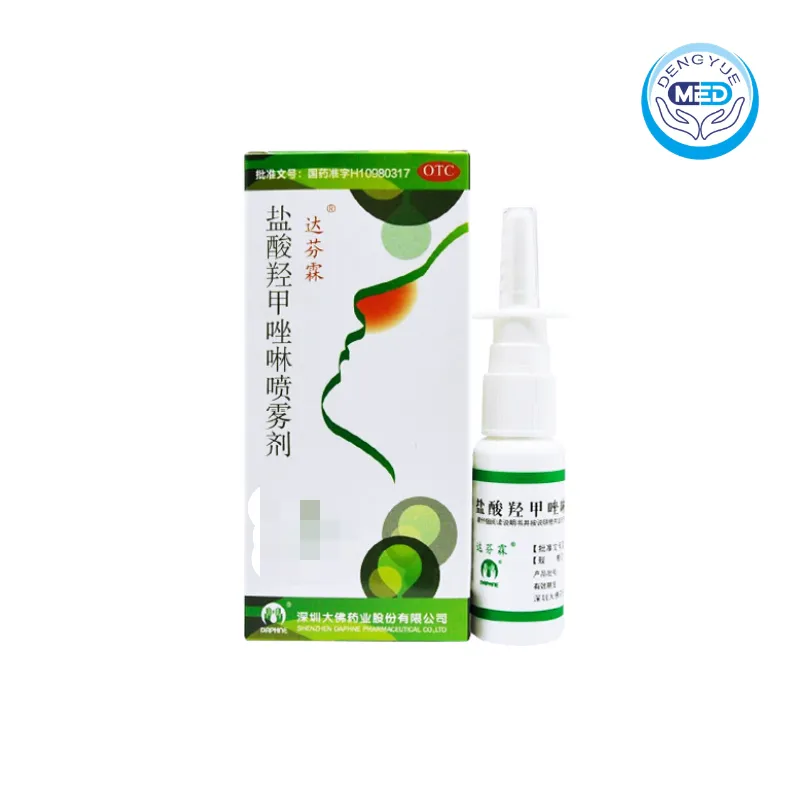
DaFenLin® | Oxymetazoline Hydrochloride Spray | Rhinitis | DengYueRX
Oxymetazoline Hydrochloride is a topical α-adrenergic receptor agonist that constricts nasal mucosal blood vessels rapidly to eliminate nasal swelling and congestion. Its vasoconstriction effect lasts longer than naphazoline.
How Can You Understand Which Medication Categories Address Different Symptoms?
Different symptoms may require different management approaches. The following table helps consumers understand the relationship between common symptoms and medication categories. It is for general educational purposes and does not constitute an individualized medication plan.
| Main Symptoms | Medication Categories to Learn About | Additional Considerations |
|---|---|---|
| Sneezing, nasal itching, and a runny nose | Oral antihistamines and intranasal antihistamines | Selection should consider symptoms, age, and product instructions |
| Significant nasal congestion or persistent symptoms | Intranasal corticosteroids | Usually require regular use, and benefits may not be immediate |
| Itchy, watery eyes | Appropriate antiallergic eye drops | Eye pain or vision changes require prompt medical attention |
| Nasal dryness or excessive mucus | Saline nasal care products | Supportive care only; follow hygiene and usage instructions |
| Need for short-term relief from nasal congestion | Certain decongestants | Pay attention to duration limits and contraindications |
✨ Overall, seasonal allergy treatment should be guided by the nature of the symptoms rather than medication names alone. People with persistent symptoms, inadequate relief from routine measures, or coexisting conditions such as asthma should seek professional evaluation and avoid combining multiple medications without appropriate guidance.
Ⅳ. How Can You Prevent Seasonal Allergies in Daily Life?
The key to preventing seasonal allergies is to reduce exposure to allergens as much as possible and adopt daily management practices suited to your individual needs. Although it may not be possible to avoid pollen and other allergens completely, a few simple lifestyle habits can help minimize exposure and reduce the likelihood of allergy symptoms.
- Monitor Pollen Forecasts and Take Precautions Outdoors
- Pollen concentrations are affected by factors such as weather conditions, wind speed, and plant species. When pollen levels are high, consider limiting prolonged outdoor activities. When going outside, wear glasses or sunglasses and, when appropriate, a well-fitting mask to help reduce exposure.
- Reduce the Amount of Pollen Entering Your Home
- Pollen can cling to clothing and hair and enter indoor spaces through open doors and windows. After returning home, consider changing clothes, washing your hair, and regularly cleaning floors and furniture. When pollen levels are high, keep windows and doors closed when appropriate and consider using suitable air filtration equipment to help reduce indoor pollen exposure.
- Keep Indoor Spaces Clean and Dry
- In addition to pollen, mold spores may also trigger allergy symptoms. To reduce indoor allergens, control indoor humidity, address water leaks promptly, and clean visible mold appropriately. Maintaining a clean, dry indoor environment can help reduce conditions that encourage mold growth.
- Identify Potential Triggers and Track Allergy Symptoms
- If allergy symptoms occur during similar seasons each year, keep a record of when they develop, weather conditions, possible allergen exposure, and any reactions after using medication. These records can help doctors or pharmacists better understand your symptom patterns and discuss appropriate management options based on your individual circumstances.

🏘️ Overall, reducing allergen exposure, maintaining a clean environment, and preparing in advance are important steps in managing seasonal allergies. If symptoms recur frequently or interfere with sleep and daily activities, seek professional medical advice to determine the most appropriate approach to symptom management.
Learn About Seasonal Allergy Medications Through DengYue Pharmacy
After learning about medications used to manage seasonal allergies, if you would like to explore relevant products further, you can contact DengYue Online Pharmacy to inquire about product information, specifications, and supply requirements.
🧑⚕️🧑💼 DengYue RX provides pharmaceutical information and supply-related services, with a focus on addressing product inquiries. For those looking for medications related to seasonal allergies, the official website offers a channel to inquire about product availability and procurement requirements.
When making an inquiry, we recommend providing the following information to help clarify your specific needs:
- Medication name or active ingredient: For example, loratadine or fluticasone.
- Dosage form and specifications: For example, tablets, nasal sprays, or eye drops.
- Required quantity and destination: To help determine applicable supply conditions and requirements.
- Prescription documentation: If a prescription is legally required for the product, please provide the relevant documents as required.
Please note that product availability, prescription requirements, and delivery coverage must be confirmed based on the specific product and the regulations of the destination country or region. DengYue Pharmacy provides pharmaceutical information and supply inquiries but does not replace diagnosis or individualized medication advice from a doctor or pharmacist.
Conclusion
Seasonal allergies are a common health concern closely associated with environmental allergens. Tree pollen, grass pollen, weed pollen, and certain mold spores may trigger symptoms such as sneezing, nasal congestion, a runny nose, and itchy eyes. Because allergens and peak allergy seasons vary by region, recognizing personal symptom patterns and reducing exposure to known allergens are essential foundations of daily allergy management.
DengYue RX aims to help consumers better understand relevant products through health education and pharmaceutical supply services. If you have questions about medications for seasonal allergies, visit the official website to inquire about product information, availability, and purchasing requirements.
When Should You Consult a Doctor or Pharmacist?
Most mild seasonal allergy symptoms can be managed by reducing allergen exposure and using appropriate medications as directed. However, persistent or severe symptoms may require further medical evaluation. In particular, if symptoms interfere with daily life or their cause is unclear, you should avoid relying on self-medication over an extended period.
You should consider consulting a doctor or pharmacist in the following situations:
- Persistent symptoms: Allergy symptoms continue to affect sleep, work, or daily activities.
- Insufficient symptom relief: Symptoms are not adequately relieved after using the medication according to the product instructions.
- Respiratory symptoms: You experience a persistent cough, wheezing, or worsening asthma symptoms.
- Unclear cause: You cannot determine whether your symptoms are caused by allergies, an infection, or another condition.
- Special medication considerations: You need to select medication for a child, or the person using the medication is pregnant or breastfeeding.
- Existing medical conditions or multiple medications: You have other health conditions or take several medications and need to check for potential interactions and usage restrictions.
🏥 If you experience difficulty breathing, swelling of the tongue or throat, fainting, or other symptoms that may indicate a severe allergic reaction, seek emergency medical assistance immediately.
For recurring seasonal allergies, a professional evaluation can help identify potential triggers and determine whether changes to the treatment approach may be appropriate. Obtaining timely, appropriate medical advice can help prevent unnecessary medication use and reduce the risk of delaying the diagnosis of other conditions.

References and Sources
- MedlinePlus. Allergic Rhinitis.
- MedlinePlus. Allergic Rhinitis: Self-Care.
- Mayo Clinic. Seasonal Allergies: Nip Them in the Bud.
- Healthdirect Australia. Hay Fever (Allergic Rhinitis).
FAQ About What Causes Seasonal Allergies in the Body
What causes seasonal allergies in the body?
Seasonal allergies occur when the immune system overreacts to airborne allergens such as tree pollen, grass pollen, weed pollen, and certain mold spores. This reaction can release histamine, causing sneezing, a runny nose, nasal congestion, and itchy eyes.
What are the most common symptoms of seasonal allergies?
Common symptoms include sneezing, a runny nose, nasal congestion, an itchy nose, watery eyes, and throat irritation. Some people may also experience coughing, poor sleep, and daytime fatigue.
How can you tell the difference between seasonal allergies and a cold?
Seasonal allergies often cause itchy eyes, nasal itching, and repeated sneezing without fever. A common cold is caused by a viral infection and may involve a sore throat, fatigue, and sometimes fever. If symptoms are unclear or persistent, consult a healthcare professional.
What medications are best for seasonal allergies?
Common medication options include oral antihistamines, nasal corticosteroid sprays, nasal antihistamines, and antiallergic eye drops. The most appropriate option depends on your symptoms, age, medical history, and product instructions. Consult a doctor or pharmacist if you are unsure which medication to use.
How can I prevent seasonal allergies naturally?
You can help reduce symptoms by checking local pollen forecasts, limiting outdoor activities when pollen levels are high, changing clothes after returning home, washing your hair when appropriate, and keeping indoor spaces clean and dry. These measures can reduce allergen exposure but may not prevent all symptoms.