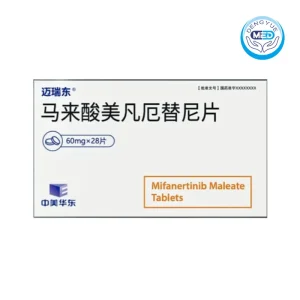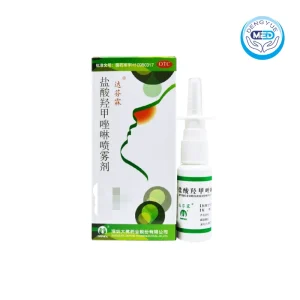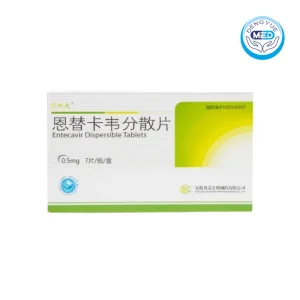
For international travelers visiting China for tourism, business, or medical treatment, purchasing medicines may be a practical necessity. Understanding how to carry medicines purchased in China across borders is therefore important before making any purchases. Pharmacies in China offer a wide range of pharmaceutical and healthcare products, including prescription medicines, over-the-counter (OTC) medicines, certain traditional Chinese medicines, and common healthcare supplies. However, the fact that a medicine can be legally purchased in China does not automatically mean it can be carried into another country.
Cross-border medicine transportation involves several factors, including the pharmaceutical import regulations of the destination country, customs requirements, active ingredients, permitted quantities, and intended use. Some medicines may require a prescription, a doctor’s certificate, or an import permit, while products containing controlled substances may be subject to stricter restrictions. Therefore, international travelers should check the relevant regulations of their destination countries in advance and prepare the necessary documents and transportation arrangements.
As a professional pharmaceutical wholesaler, DengYueRX focuses on the practical needs of international customers in pharmaceutical sourcing, procurement coordination, and cross-border pharmaceutical supply-chain processes. By understanding product information, documentation requirements, and transportation arrangements, customers can plan their medicine purchases and subsequent procedures more systematically.
This article provides practical guidance for international travelers planning to purchase medicines in China, covering basic cross-border medication regulations, essential preparations, and related process coordination.
Ⅰ. Can Medicines Purchased in China Be Carried Across Borders?
Under the applicable regulations of the destination country or region, travelers may be permitted to carry certain medicines purchased in China across borders. However, regulations concerning medication categories, quantities, intended use, and required documentation can vary significantly between countries. Therefore, the fact that a medicine is available for sale in China does not determine whether it can legally enter another country.
First, it is important to distinguish between different categories of medicines.
📃 Prescription medicines generally require a valid prescription or medical certificate issued by a healthcare professional, depending on the requirements of the destination country. For long-term treatments, specialized medicines, and certain prescription products, additional authorization documents may also be required.
Although OTC medicines may be subject to relatively less restrictive personal import requirements in some countries, this does not mean they are exempt from import regulations. Their active ingredients, dosage, and specific formulations may affect how they are classified and regulated in the destination country.
Traditional Chinese medicines, herbal medicines, and plant-based preparations also require advance verification. Certain products may be subject to additional requirements relating to plant quarantine, animal-derived ingredients, endangered species protection, or other special regulatory controls. Even if a product is commonly available in China, this does not guarantee that it meets the import requirements of every country.
Second, travelers should check whether a medicine contains controlled substances.
Products containing narcotic drugs, psychotropic substances, or other controlled ingredients may be subject to strict quantity limits, licensing requirements, and customs declaration procedures. Some countries may even prohibit travelers from bringing specific medicines into their territory.

Therefore, when preparing to carry medicines across borders, travelers should verify the generic name, active ingredients, dosage, and dosage form of each product. The relevant requirements should then be confirmed through official channels in the destination country. Whether a medicine can be legally carried across borders ultimately depends on the applicable laws and requirements of the relevant authorities.
Ⅱ. What Compliance Requirements Should Be Checked Before Carrying Medicines Across Borders?
After identifying the medicines they intend to purchase, travelers should verify the relevant requirements concerning destination-country regulations, permitted quantities, documentation, and transportation methods.
These factors are interconnected. Failure to meet any one of the applicable requirements may affect whether the medicines can be carried or admitted into the destination country.
1. Check the Pharmaceutical Import Regulations of the Destination Country
Different countries have different approaches to regulating medicines carried by individual travelers. Some allow a limited quantity of personal-use medicines, while others impose additional requirements on specific ingredients, pharmaceutical categories, or import methods.
Travelers are advised to consult official customs authorities, pharmaceutical regulatory agencies, or relevant government institutions in their destination countries.
The following points should be checked:
- Whether the medicine is permitted for personal import.
- Whether there are restrictions on specific ingredients or dosage forms.
- Whether a prescription, doctor’s certificate, or import permit is required.
- Whether customs declaration is mandatory.
- Whether there are limits on the quantity or duration of treatment for personal-use medicines.
If travelers plan to carry medicines through multiple countries, they should check the regulations of each destination separately. Permission to bring a medicine into one country does not automatically mean it can be carried into the next.
2. Confirm the Permitted Quantity and Intended Use
The quantity of medicines being carried is another important factor in cross-border compliance. Some countries establish quantity limits based on personal treatment needs, prescribed dosages, or specified treatment periods.
Large quantities, repeated purchases, or medicines that may be intended for resale could be treated differently from ordinary personal-use medication.
Travelers should not assume that describing medicines as being for personal use automatically allows them to carry unlimited quantities. If they need to purchase long-term medication or larger quantities, they should confirm in advance whether additional documentation, permits, or procedures are required.
It is also important to distinguish between carrying medicines in personal luggage and transporting medicines through international logistics channels. These two situations may be governed by different regulations and customs procedures. Rules applicable to medicines carried by individual travelers should not automatically be applied to commercial shipments.
3. Prepare Medicine Information and Supporting Documents
Preparing clear and complete medicine information in advance can facilitate product identification, document verification, and communication throughout the relevant procedures.
Travelers are advised to retain the original packaging whenever possible and ensure that product labels remain complete and legible.
Depending on the requirements, the following information or documents may be necessary:
- Generic name, brand name, and active ingredients.
- Product strength, dosage form, and package quantity.
- Manufacturer and relevant product information.
- Purchase receipts or proof of purchase.
- A valid prescription or medical certificate issued by a healthcare professional.
- Import permits or other supporting documents required by the destination country.
Not every medicine requires all of the documents listed above. The actual requirements depend on the medicine category, transportation method, and applicable regulations in the destination country.
Some countries may also impose specific requirements concerning document language, format, or validity periods. Travelers should confirm these details with the relevant authorities in advance.
‼️ It is important to note that a purchase receipt can help demonstrate where a medicine was obtained, but it cannot replace a legally required prescription, import permit, or customs declaration.
4. Verify Transportation and Storage Requirements
In addition to import regulations, transportation conditions also deserve attention.
Some medicines require protection from light, moisture, or exposure to temperatures outside a specified range. Refrigerated medicines and other temperature-sensitive products have more demanding transportation and storage requirements.
For medicines carried in personal luggage, travelers should check airline baggage policies and the destination country’s requirements for liquid medicines, injections, and other special pharmaceutical products.
For medicines transported through logistics services, additional factors should be considered, including carrier conditions, packaging requirements, transportation permits, and relevant customs arrangements.

Medicines should not only comply with import regulations but also be transported under conditions that help maintain their appropriate storage requirements. For products requiring cold-chain management, transportation should not be arranged without first confirming the availability of suitable temperature-controlled facilities and transportation capabilities.
Ⅲ. How to Plan the Process of Purchasing Medicines in China and Carrying Them Across Borders
For international travelers planning to purchase medicines in China, a well-organized process can help reduce problems caused by incomplete product information, insufficient documentation, or inappropriate transportation arrangements. The following steps provide a practical reference for understanding how to carry medicines purchased in China across borders.
Step 1: Identify Your Medication Requirements
Before making an inquiry or purchase, travelers should identify the generic name, brand name, strength, dosage form, required quantity, and intended use of the medicine.
For prescription medicines, medication needs should be confirmed with an appropriate healthcare professional. Travelers should not independently select prescription treatments based solely on product names or online information.
Step 2: Confirm the Import Requirements of the Destination Country
Check the applicable regulations of the destination country based on the medicine’s ingredients and category.
Confirm whether the medicine is permitted for personal import, whether additional permits are required, and what restrictions apply to quantities and supporting documents.
Step 3: Verify Product Availability and Relevant Documentation
After confirming the product requirements, travelers can check product availability, packaging information, and relevant documentation.
For medicines involving special storage, transportation, or regulatory requirements, it is important to confirm in advance whether the necessary conditions can be met.
Step 4: Prepare the Required Supporting Documents
Prepare prescriptions, medical certificates, product information, purchase receipts, or other documents according to the requirements of the destination country.
If translated documents or specific document formats are required, these should be arranged in advance and checked for compliance.
Step 5: Choose an Appropriate Carrying or Transportation Method
Based on the medicine’s characteristics, quantity, and destination-country regulations, determine whether carrying the medicine in personal luggage or using another transportation method is appropriate.
For commercial procurement or cross-border logistics, additional verification of relevant business qualifications, import procedures, and transportation requirements may be necessary.
Step 6: Recheck the Regulations Before Departure or Shipment
Pharmaceutical regulations may change over time. Travelers are therefore advised to verify the latest requirements again before departure or arranging transportation.
If any requirement remains unclear, consult the customs authorities, pharmaceutical regulatory agencies, or other relevant government institutions in the destination country rather than relying solely on general experience.
By following these steps, travelers can better understand the key stages of cross-border medication transportation and identify potential issues before purchasing medicines in China.
Ⅳ. How Can DengYue Pharmacy Assist with Medicine Procurement and Cross-Border Processes?
For international customers, pharmaceutical procurement involves more than simply finding a particular product. It may also include product identification, supply availability checks, documentation preparation, transportation coordination, and consultation regarding cross-border procedures.
For customers who are unfamiliar with China’s pharmaceutical supply system, organizing these matters in advance can improve communication efficiency and reduce uncertainties throughout the procurement process.
As a professional pharmaceutical wholesaler, DengYue Pharmacy provides pharmaceutical sourcing, procurement coordination, and cross-border pharmaceutical supply-chain support. Depending on customer requirements, product characteristics, and applicable regulations, DengYue Pharmacy can assist with relevant processes within its service scope.
Pharmaceutical Sourcing and Product Information Verification
Customers can provide the generic name, brand name, strength, dosage form, package quantity, and destination country of the required medicines. This information helps facilitate product identification and supply availability inquiries.
For products with similar brand names, different strengths, or different names across markets, providing the generic name and active ingredients can help minimize communication errors and facilitate subsequent verification of product information and applicable requirements.
Procurement Coordination and Supply Information Communication
Drawing on its experience in pharmaceutical wholesale, DengYue Pharmacy provides international customers with pharmaceutical sourcing and procurement coordination support.
Customers can inquire about product availability, packaging specifications, and procurement arrangements according to their actual needs, as well as obtain further information about applicable supply channels.
DengYue Pharmacy offers access to a broad selection of pharmaceutical product categories and can assist customers in organizing procurement information according to their requirements. Actual product availability remains subject to the specific product, order quantity, supply channels, and applicable regulations.
Documentation and Process Consultation
Cross-border pharmaceutical procurement may involve product information, commercial documents, customs documentation, and import requirements in the destination country.
Within the scope of its services and specific business arrangements, DengYue Pharmacy can assist customers in understanding relevant documentation requirements, organizing procedural information, and coordinating applicable business processes.
It is important to clarify that prescriptions, medical certificates, and import permits required for individual travelers must be obtained in accordance with the regulations of the destination country. Documentation and process support provided by DengYue Pharmacy cannot replace official approvals or guarantee that a particular medicine will be permitted for import.
Logistics and Transportation Coordination
Different medicines may have different packaging, transportation, and storage requirements. For products requiring special handling or temperature control, the transportation arrangements should be checked in advance to ensure that they meet the product’s requirements and applicable regulations.
Where appropriate conditions are available and all relevant requirements are met, DengYue Pharmacy can assist customers in understanding suitable logistics arrangements and coordinating related transportation procedures.
It is important to recognize that medicines carried in personal luggage, medicines sent through international postal services, and medicines involved in commercial bulk procurement and importation may be subject to different laws, licensing conditions, and customs procedures. Each situation should therefore be assessed separately according to the product category, transportation method, and destination-country requirements.
International customers with pharmaceutical procurement needs are advised to provide the medicine name, strength, dosage form, required quantity, and destination country when making an inquiry. This information helps facilitate more accurate communication regarding product availability and procedures requiring further verification.
Conclusion
Understanding how to carry medicines purchased in China across borders requires careful consideration of destination-country regulations, pharmaceutical ingredients, permitted quantities, supporting documents, and transportation conditions. Even if a medicine can be legally purchased in China, this does not necessarily mean it is permitted for personal carriage or importation into another country.
Therefore, checking official regulations in advance, preparing the necessary documentation, and confirming appropriate transportation arrangements are essential steps in cross-border medication transportation.
For international customers with pharmaceutical procurement and cross-border supply-chain needs, DengYue Pharmacy draws on its professional pharmaceutical wholesale experience to provide support in pharmaceutical sourcing, procurement coordination, documentation consultation, and logistics process coordination. These services help customers better understand the relevant procedures, from identifying product requirements to arranging supply.
👉 If you are planning to source medicines from China, you are welcome to contact DengYue Pharmacy. Providing basic information such as the medicine name, strength, dosage form, required quantity, and destination country will help us better understand your requirements and discuss product availability and relevant procedures. Verifying product information and applicable regulations in advance can help you plan the subsequent arrangements more systematically.
FAQ About How to Carry Medicines Purchased in China Across Borders
Can I carry medicines purchased in China to another country?
Yes, some medicines can be carried across borders for personal use, subject to the import regulations of the destination country.
Do I need a prescription to carry medicines purchased in China?
Prescription medicines may require a valid prescription or doctor’s certificate, depending on the destination country’s regulations.
How much medicine can I bring from China?
Quantity limits vary by country and medicine type. Some countries restrict personal-use medicines based on treatment duration or dosage.
What documents should I prepare when carrying medicines across borders?
You may need the original packaging, purchase receipts, prescriptions, medical certificates, or import permits, depending on the medicine and destination.
Can I ship medicines purchased in China to another country?
International shipment may be possible, but it is subject to separate import, export, customs, and transportation requirements. Always verify the applicable regulations before shipping.