As international healthcare needs continue to evolve, the connections between medical services, rehabilitation management, and tourism are becoming increasingly close. The integration of medical care, wellness, and tourism is emerging as an important direction for healthcare internationalization and the coordinated development of the health industry. For international visitors seeking medical treatment, rehabilitation services, or information about medicines in China, their needs are no longer limited to clinical care alone. Instead, they increasingly extend to multiple stages, including medical resource consultation, hospital coordination, access to medicines, and follow-up health management.
Against this backdrop, medical and wellness tourism in China presents new opportunities and challenges for the healthcare industry. Integrating medical resources, streamlining cross-border service processes, and providing international patients with more convenient access to information have become key priorities for industry development.
DengYue Pharma supports these needs through its online pharmacy and medical coordination services, offering assistance with medicine information inquiries, pharmaceutical supply requests, and connections with medical resources. Through greater coordination between healthcare resources and cross-border pharmaceutical services, the integration of medical care, wellness, and tourism has the potential to expand service offerings and make it easier for international patients to explore and access relevant healthcare services in China.
I. What Is the Integration of Medical Care, Wellness, and Tourism?
The integration of medical care, wellness, and tourism refers to the coordination of medical treatment, rehabilitation services, health management, and tourism-related support to provide a more seamless service experience for people with diverse healthcare needs. It encompasses not only medical treatment at the destination but also pre-visit information and consultation, coordination during medical visits, and continuity of rehabilitation and medication after leaving the destination.
1. Medical Services: Meeting Professional Healthcare Needs
Medical services form the foundation of integrated medical care, wellness, and tourism. They primarily include hospital and specialist selection, appointment coordination, examinations and diagnosis, and the development of treatment plans. For international patients, understanding the local healthcare system and identifying medical institutions that match their needs are the starting points of the treatment journey.
As medical institutions differ in their specialist departments, patient admission requirements, and service procedures, patients need to confirm appropriate arrangements based on their individual circumstances, medical history, and professional medical advice.
2. Rehabilitation and Health Management: Addressing Ongoing Needs After Treatment
Some patients require rehabilitation training, regular follow-up examinations, or long-term health management after completing treatment. Depending on each patient’s condition and professional assessment, rehabilitation services can provide appropriate support throughout the recovery process.
It is important to recognize that medical rehabilitation is not the same as general wellness or health maintenance. Rehabilitation plans should be developed by appropriately qualified professionals. General wellness activities and tourism experiences should not be considered substitutes for medical treatment.

3. Tourism and Lifestyle Support: Improving the Experience During Medical Visits
For international patients and accompanying family members who need to stay in China for an extended period, accommodation, transportation, interpretation, dining, and itinerary planning are also important considerations. These supporting services can help patients manage their daily lives during medical visits and reduce the inconvenience associated with unfamiliar surroundings.
However, travel arrangements should always take patients’ health conditions and medical plans into account. For individuals undergoing treatment or requiring special care, medical needs and travel safety should take priority.
4. Cross-Border Pharmaceutical Services: Connecting Medicine Information with Supply Needs
Beyond medical services, medicine information inquiries, supply coordination, procurement procedures, and cross-border transportation requirements are also important considerations for some international patients. For those who require ongoing medication or wish to learn more about specific medicines, confirming the medicine name, strength or specifications, supply conditions, and applicable regulations can help them plan ahead.
DengYue RX provides online pharmacy access and related pharmaceutical supply services. Based on users’ specific requests, it can assist with inquiries about medicine information and availability. For users seeking medical care, DengYue also offers medical coordination assistance to help establish connections with relevant hospitals and healthcare service resources.
Overall, the integration of medical care, wellness, and tourism is not simply about combining healthcare with travel. Rather, it involves coordinating medical treatment, rehabilitation, lifestyle support, and pharmaceutical services around patients’ actual needs. As international healthcare needs become increasingly diverse, the importance of this integrated approach is expected to grow, creating further opportunities for medical and wellness tourism in China and the development of cross-border pharmaceutical services.
II. The Foundations and International Appeal of Medical and Wellness Tourism in China
China’s multilevel healthcare system, diverse specialist resources, rich traditional Chinese medicine (TCM) culture, and wide range of tourism destinations provide a strong resource base for the integration of medical care, wellness, and tourism. However, translating these advantages into a positive international service experience also depends on factors such as healthcare quality, information transparency, service procedures, and cross-language communication.
Diverse Medical Resources to Meet Different Healthcare Needs
Medical institutions and regions across China offer distinct strengths in general healthcare, specialist treatment, rehabilitation, and health management. For international patients, selecting appropriate medical resources usually requires comprehensive consideration of the condition being treated, relevant medical specialties, patient admission requirements, costs, and follow-up care needs.
🏥 Therefore, seeking medical treatment in China involves more than simply choosing a city or hospital. Patients need to identify relevant healthcare resources according to their individual circumstances and confirm specific admission and treatment arrangements with the medical institution concerned. For those unfamiliar with China’s healthcare system, clear hospital information and effective communication channels are particularly important.
Traditional Chinese Medicine and Rehabilitation Enrich the Healthcare Experience
Traditional Chinese medicine is an important component of China’s traditional medical heritage and a subject of interest for some international visitors exploring healthcare services in China. TCM-related services, traditional wellness practices, and certain rehabilitation programs can serve as distinctive components of integrated medical care, wellness, and tourism.
However, traditional cultural experiences, general wellness activities, and medical treatment for specific conditions are not the same. Individuals seeking to address health concerns through TCM or other approaches should consult appropriately qualified professionals and confirm whether the services are suitable for their individual circumstances.
Tourism Resources and Lifestyle Support Expand Service Opportunities
China offers a wide variety of natural landscapes, historical and cultural attractions, and urban tourism facilities across different regions. For ordinary tourists, medical and wellness services form part of travel health preparedness. For those traveling specifically to China for medical treatment, tourism resources may also be connected with accommodation, accompanying family members, and daily living arrangements.
This makes coordination between healthcare services and tourism-related support increasingly important. For example, patients may need to arrange accommodation around follow-up appointments or check transportation options near a hospital before their visit. The clarity of information and the practicality of these arrangements can directly affect the overall user experience.
Overall, China’s medical resources, rehabilitation services, traditional wellness culture, and tourism destinations provide a solid foundation for the development of medical and wellness tourism in China. Looking ahead, reducing barriers to information access, improving coordination with medical institutions, and strengthening collaboration across related services will remain important priorities for the industry.
III. Evolving Needs of International Patients and Tourists: From Resource Selection to Service Experience
As cross-border medical travel and international tourism become increasingly diverse, international users are shifting their focus from selecting a single hospital or travel destination to considering the entire service journey. For patients traveling to China, hospital coordination, medical document preparation, and follow-up medication may all influence their experience. For ordinary tourists, access to healthcare during travel, convenient ways to obtain medicines, and options for seeking medical attention when necessary are equally important.
Seeking Medical Care in China: Connecting with Healthcare Resources
For individuals planning to travel to China for treatment, follow-up consultations, or rehabilitation services, one of the first challenges is often obtaining reliable information. Which hospital should they contact? What documents should they prepare? Can appointments be scheduled in advance? How can they learn about specific service arrangements?
For patients unfamiliar with China’s healthcare system or facing language barriers, identifying suitable medical resources can be time-consuming. Medical resource coordination services therefore have practical value, helping users identify contact channels, clarify their needs, and understand the relevant procedures.

➡️ DengYueRX provides assistance with medical coordination. Users can describe their symptoms, healthcare needs, and the medical services they wish to learn about. Based on the specific circumstances, DengYue can assist in contacting relevant hospitals or connecting users with appropriate healthcare service resources.
These services primarily focus on facilitating connections with medical institutions and coordinating service procedures. Actual diagnoses, treatment plans, and decisions regarding patient acceptance remain the responsibility of the relevant medical institutions and qualified healthcare professionals.
Traveling in China: Healthcare Preparedness and Convenient Access to Medicines
For ordinary tourists, health concerns such as fever, allergies, digestive discomfort, or minor wounds may arise during a trip. Understanding local healthcare facilities, different types of pharmacies, and basic medicine purchasing procedures can help travelers respond more effectively to unexpected healthcare needs.
Travelers should also consider preparing their regular medications, understanding storage requirements, and checking regulations governing the cross-border transport of medicines. If serious or emergency symptoms occur during a trip, they should seek local emergency or medical services promptly rather than relying solely on self-medication.
Online pharmacies provide an additional channel for accessing medicine information.➡️ DengYueRX operates an online pharmacy where users can explore relevant product information and make further inquiries about supply conditions according to their needs. Actual product availability, methods of access, and delivery coverage must be confirmed individually. Prescription medicines must be obtained in accordance with medical prescriptions and applicable regulations.
After Medical Visits: Medicine Information and Follow-Up Arrangements Remain Important
After completing a medical visit, some international patients may still require ongoing medication, follow-up consultations, or rehabilitation support. For these individuals, understanding medicine information, confirming subsequent healthcare arrangements, and communicating with healthcare providers in their home countries when necessary are all important parts of a comprehensive service experience.
However, medicine inquiries and medical diagnosis are distinct service functions. An online pharmacy can provide product information and supply-related assistance, but it cannot replace a doctor’s professional judgment regarding medication selection, dosage, or treatment plans. When obtaining medicines across borders, patients must also verify the applicable regulations in their destination country or region.
Overall, the needs of international patients and tourists are evolving from the selection of individual resources toward a more comprehensive service experience. Service models that help users access information, connect with relevant institutions, and clarify subsequent steps are becoming an important area of development within medical and wellness tourism in China.
IV. The Development of Cross-Border Healthcare Services: The Role of Medical Coordination and Online Pharmacies
Within the integrated service framework of medical care, wellness, and tourism, connecting users with medical resources and providing access to medicine information are two important functions closely related to users’ practical needs. The former helps individuals seeking medical care understand relevant healthcare institutions and service procedures, while the latter provides a channel for users to explore product information and pharmaceutical supply availability.
Medical Coordination Services: Helping Users Find the Right Point of Contact
For individuals planning to travel to China for medical treatment, clarifying their healthcare needs and identifying the relevant medical institutions are essential starting points for subsequent arrangements. Medical coordination services can help users organize their requirements, understand hospital contact channels, and identify the information needed for appointments or medical visits.

➡️ DengYue can assist users in contacting relevant hospitals or connecting with healthcare service resources based on their reported symptoms, medical needs, and the services they wish to learn about. The primary purpose of this model is to facilitate initial connections with medical resources, rather than to replace hospitals in making medical assessments.
When submitting an inquiry, users can improve the clarity of subsequent communication by providing information about their preferred medical specialty, previous medical visits, and intended travel dates to China. They should also prepare the necessary documents in accordance with the requirements of the relevant medical institution.
Online Pharmacies: Expanding Access to Medicine Information
Medicines are an important consideration for some patients requiring ongoing treatment and for travelers preparing for potential healthcare needs. Users may wish to inquire about specific products, review dosage forms and specifications, or determine whether a particular medicine may be available through a suitable supply channel.
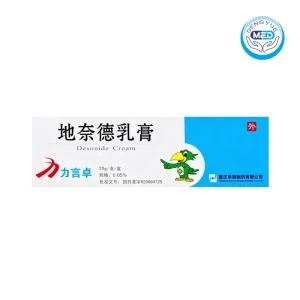
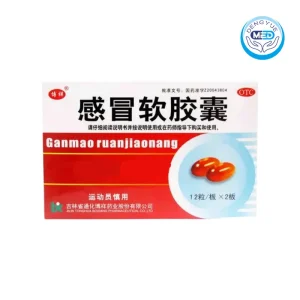
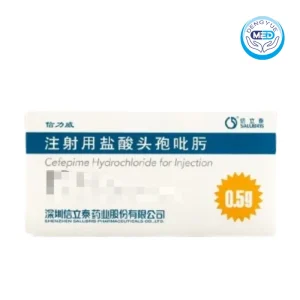
➡️ Through its online pharmacy, DengYue provides medicine information inquiry services covering prescription medicines, over-the-counter (OTC) medicines, and multiple therapeutic areas. Users can explore relevant products using details such as product names, brands, and specifications, and make further inquiries to confirm specific supply conditions.

👉 It is important to note that online listings do not guarantee that every product is in stock or that every medicine can be obtained without a prescription or other required conditions. Actual availability and delivery arrangements must be confirmed according to the medicine category, current inventory, and applicable regulations.
Complementary Services with Distinct Responsibilities
Medical resource coordination and medicine information inquiries address different aspects of users’ healthcare needs. Although they can complement one another, neither service can replace the other.
| Service Type | Primary Purpose | Matters Requiring Further Confirmation |
|---|---|---|
| Medical resource coordination | Finding relevant hospitals and learning about healthcare services | Patient acceptance criteria, appointment procedures, and specific medical arrangements |
| Online pharmacy | Searching for medicines and accessing product information | Actual availability, prescription requirements, access methods, and delivery coverage |
| Cross-border medication preparation | Understanding the requirements for carrying or importing medicines | Destination regulations, medicine classification, and personal medication transport requirements |
This division of responsibilities helps users identify the appropriate channels for different needs while clarifying the boundaries of each service. Medical institutions are responsible for professional diagnosis and treatment, while pharmaceutical service platforms provide product and supply information within the scope of their business. Users should confirm specific arrangements with the relevant qualified professionals or institutions according to their circumstances.
From an industry perspective, medical resource coordination and online pharmacies represent distinct but interconnected service areas within cross-border healthcare. Clear information exchange and well-coordinated service procedures can help international users better understand the support available when seeking medical care in China or managing healthcare needs while traveling.
As medical and wellness tourism in China continues to develop, improving coordination between healthcare resources and cross-border pharmaceutical services may help create a more accessible and organized service experience for international patients and visitors.
V. Industry Challenges and Growth Opportunities: How Can Integrated Medical Care, Wellness, and Tourism Become More Standardized?
The integration of medical care, wellness, and tourism involves collaboration across multiple sectors. However, as more service providers become involved, coordinating different services and defining responsibilities also become more complex. The industry’s long-term development will depend not only on the scale of demand but also on service quality, regulatory compliance, and the ability of different stakeholders to collaborate effectively.
1. Cross-Border Regulatory Differences Require Clearer Service Boundaries
Medical services, pharmaceutical sales, prescription management, personal medication transport, and cross-border shipping are subject to different regulatory requirements. A service or product permitted in one jurisdiction is not necessarily permitted under the same conditions in another country or region.
For participants in cross-border healthcare services, applicable regulations must be verified according to the nature of the business and the requirements of the destination. Users should also be clearly informed about which matters a service provider can assist with and which must be confirmed by medical institutions or regulatory authorities.
Going forward, regulatory compliance will remain fundamental to business operations and will also influence users’ trust in healthcare services.
2. Information Transparency and Multilingual Communication Remain Key Challenges
Language barriers can affect users’ understanding of medical procedures, product information, cost explanations, and potential risks. Incomplete information or overly definitive statements may also lead users to develop unrealistic expectations about a service provider’s capabilities.
The industry therefore needs to place greater emphasis on the accuracy of multilingual information, clear descriptions of products and service scopes, and adequate disclosure of important limitations. Medical and pharmaceutical information requires particular care to avoid overstating treatment benefits, obscuring prescription requirements, or presenting general information as individualized medical advice.
For users, transparent information supports more informed decision-making. For service providers, it can help reduce communication errors and unnecessary procedural costs.
3. Digital Services Can Improve Information Access and Service Coordination
Online consultations, digital information platforms, and tools for collecting service requests can help users prepare questions in advance, understand general procedures, and reduce repetitive communication.
For example, users can organize their treatment objectives, relevant medical documents, and language requirements before contacting a medical institution. When making medicine inquiries, they can prepare details such as the product name, specifications, destination, and relevant procurement requirements in advance.
Well-designed digital workflows can improve information exchange and operational efficiency, but they cannot replace professional review, medical judgment, or legally required procedures.
The future value of digital services lies not simply in creating more online access points, but in ensuring information accuracy, protecting personal data appropriately, and directing users to qualified professionals or institutions when necessary.
4. Inter-Institutional Collaboration Will Influence Service Quality
Integrated medical care, wellness, and tourism involves multiple service providers, and a single organization is rarely able to cover every stage independently. Establishing clear partnership arrangements, service standards, information handover procedures, and responsibility boundaries is therefore essential to improving the overall user experience.
Medical institutions should focus on professional diagnosis, treatment, and healthcare quality. Tourism service providers should manage travel and lifestyle arrangements. Pharmaceutical supply-chain companies should operate within the scope of their licenses and authorizations. Information and coordination services should help users understand procedures and connect with appropriate service providers.
Future growth opportunities may increasingly come from more efficient collaboration among specialized service providers, rather than from individual organizations simply expanding their service scope. Only when service capabilities, regulatory requirements, and user expectations remain aligned can integrated medical care, wellness, and tourism develop into a more sustainable service model.
Overall, the integration of medical care, wellness, and tourism still requires continued improvement in regulatory compliance, information transparency, digital services, and inter-institutional collaboration. Service models that establish clear and reliable connections between user needs and qualified professional services will be an important area to watch in the development of medical and wellness tourism in China.
Conclusion
The integration of medical care, wellness, and tourism reflects the increasingly close relationship between healthcare services, rehabilitation management, and tourism needs. For individuals planning to travel to China for medical treatment, rehabilitation services, or tourism, selecting appropriate medical resources is only one part of the overall journey. Access to information, hospital coordination, medicine inquiries, and follow-up arrangements are equally important considerations.
From an industry perspective, the core of integrated medical care, wellness, and tourism is not simply to combine medical treatment, rehabilitation, and tourism, but to improve the process of accessing services through clearly defined responsibilities, information sharing, and compliant collaboration. Medical coordination, online pharmacies, and cross-border pharmaceutical supply chain services can complement this framework within their respective areas of responsibility. However, they cannot replace professional medical care or circumvent pharmaceutical regulations and cross-border business requirements.
As a participant in cross-border pharmaceutical supply chain services, DengYue RX supports users through its online pharmacy and medical coordination services, addressing certain needs related to medicine information inquiries, pharmaceutical supply requests, and connections with medical resources.
Looking ahead, as industry collaboration, service standards, and information transparency continue to improve, medical and wellness tourism in China may create more standardized ways for international patients, visitors to China, and relevant service providers to connect with appropriate healthcare and pharmaceutical services.
FAQ About Medical and Wellness Tourism in China
What Is Medical and Wellness Tourism in China?
Medical and wellness tourism in China combines healthcare services, rehabilitation, wellness activities, and tourism-related support to meet diverse health and travel needs.
Why Is China Attracting International Medical Tourists?
China offers diverse medical resources, specialist healthcare services, traditional Chinese medicine culture, and a wide range of tourism destinations.
What Services Are Included in Medical and Wellness Tourism in China?
Services may include medical consultations, hospital coordination, rehabilitation, health management, accommodation arrangements, and pharmaceutical information services.
Can Foreigners Travel to China for Medical Treatment?
International patients may seek treatment in China, subject to hospital admission requirements, visa regulations, and applicable medical procedures.
Can International Patients Access Medicine Information Online?
Yes. Online pharmacies such as DengYue RX provide access to medicine information and allow users to inquire about product availability and supply conditions.